

On 23 February 2026, the new minority cabinet of the Netherlands was sworn in. Its 28 ministers and state secretaries have been charged with governing at a time of heightened uncertainty and international tension. This backgrounder examines what we know about Minister of Defence Dilan Yeşilgöz-Zegerius’s personal life and career, as well as her priorities and challenges in her new role.
Early Life
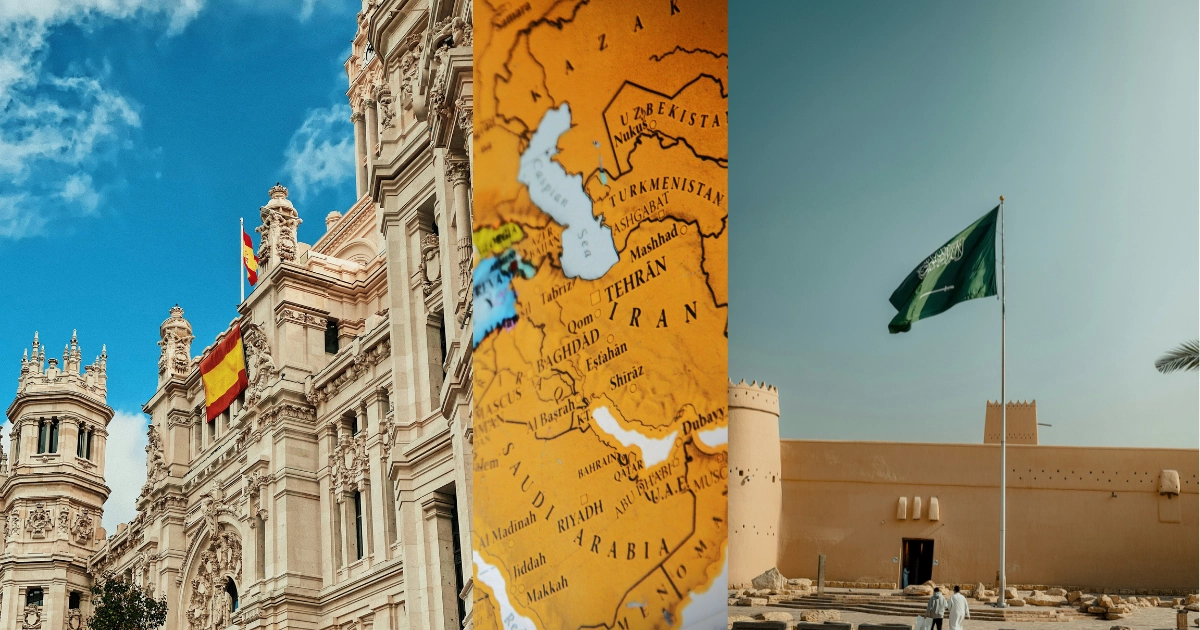
Dilan is of Turkish-Kurdish descent, and was born on 18 June 1977 in Ankara, Türkiye. Her mother is Fatma Özgümüş, who studied English literature and educational science. Fatma later became Director of Vluchtelingen Organisaties Nederland, an umbrella organisation for the roughly 400 refugee organisations in the Netherlands.
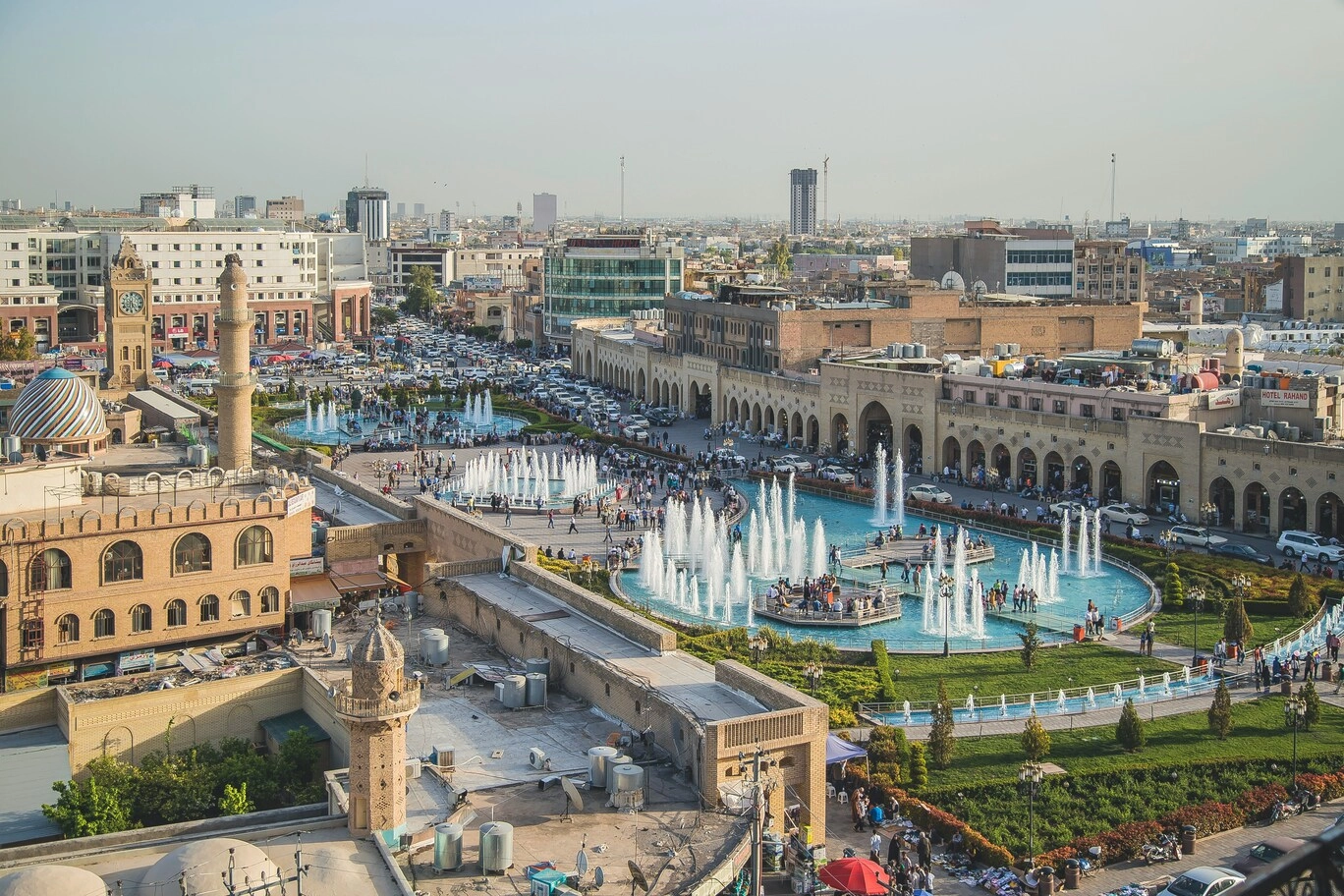
Her father is Yücel Yeşilgöz, a lawyer and left-wing Kurdish refugee, who fled Turkey in the early 1980s due to his activism concerning labour rights, Armenian minorities, homosexuality and women’s rights. According to her own testimonies, Dilan crossed from Bodrum to the Greek island of Kos on a small, unreliable boat. She was seven years old when, together with her mother and sister, she joined her father in 1984 as political refugees, upon invitation by the Dutch government.
She grew up in Amersfoort and attended the Vallei College between 1990 and 1996. From 1997 to 2002, she studied Culture, Organisation and Management at the Vrije Universiteit in Amsterdam. Limited information is available on her graduation and/or highest achieved title, with some unconfirmed speculation suggesting that she may not have graduated.
Early Political Career
She inherited the equality-centered views of her parents, which placed the Yeşilgöz family on the political and ideological left. She became a board member for the local branch of the Socialist Party, and started writing for the youth paper of the Labour Party, after which she pursued an internship at the Green Left Party. On her LinkedIn, she notes that she became an advisor to the Amsterdam Municipality in 2006, a position she held for eight years, until 2014. She advised on matters relating to security, healthcare and maritime affairs. After this, she became a member of the Municipal Council of Amsterdam on behalf of the People's Party for Freedom and Democracy (hereafter referred to as the VVD). Her responsibilities included criminality, poverty and sport. She held this position until 2017.
She was elected to the House of Representatives (lower house of parliament) during the general election of 2017.
National Politics
Between March 2017 and September 2021, Dilan Yeşilgöz-Zegerius served as a Member of the House of Representatives (Tweede Kamer) for the People’s Party for Freedom and Democracy (VVD). During her first term, she was responsible for portfolios related to media, foreign trade and development cooperation, emancipation, climate and energy, and security.
On 25 May 2021, she was appointed State Secretary for Economic Affairs and Climate Policy in the third Rutte cabinet (Rutte III). In this position, she focused on promoting sustainable economic growth and strengthening the Netherlands’ innovation capacity. She held this post until 10 January 2022.
Following the formation of the fourth Rutte cabinet (Rutte IV), she was sworn in as Minister of Justice and Security, a position she held from 10 January 2022 until 2 July 2024. As minister, she became one of the most visible figures in Dutch politics, known for her outspoken positions on law enforcement, organized crime, and migration policy. She was also the VVD’s lijsttrekker (lead candidate) for the 2023 general election, leading the campaign from 14 August to 23 November 2023, during which she campaigned in favour of limiting migration and received over 1,000,000 votes. Although she inherited a leading position from her predecessor, former Prime Minister Rutte (who had won the most seats in 2021), the VVD lost 10 seats under her leadership, narrowly losing to GroenLinks–PvdA and no longer the largest right-wing party, with many seats going to the far-right PVV.
Following a hard-fought negotiation process, the VVD under her leadership entered into a right-wing majority coalition together with the newly formed Nieuw Sociaal Contract (NSC, comprising members of the Christian Democratic Appeal and liberal parties), as well as the far-right (PVV) and farmers’ parties (BBB). The coalition survived less than two years.
On 2 July 2024, Yeşilgöz-Zegerius returned to the House of Representatives, where she served as both member and parliamentary group leader (fractievoorzitter) of the VVD until 23 February 2026. In this role, she guided the party through a period of political fragmentation and shifting coalitions.
Controversies and Criticism
While the above reads almost like a perfect LinkedIn résumé, Yeşilgöz-Zegerius has also faced several controversies, typically framed as political missteps, policy disputes, or partisan attacks rather than personal scandals. These include inflated and inaccurate asylum claims regarding family reunification (a misstatement that prompted failed no-confidence motions from opposition parties like GL-PvdA and D66) , having to apologise for public statements, sliding poll numbers, and friendly fire from members of her own party, who compiled a list of 30 strategic missteps during the most recent election.
2025 Election
She again headed the party list for the 2025 general election from 24 June until 29 October 2025. Security and the economy were central themes during her campaign, and her ambition was for a governing coalition with both right-wing and liberal elements. She ruled out a possible coalition with the far-right party (PVV) and signalled a lack of willingness to enter into an agreement with the left (Labour and GroenLinks). The former was mainly due to their failed collaboration following the prior election. She managed to keep third position but lost two seats in parliament. During the negotiations surrounding cabinet formation, she reiterated her lack of willingness to enter government with the Greens. At the end of January 2026, following several months of negotiations, a minority coalition was formed between the right-wing liberal VVD, the centrist D66 and the Christian Democratic CDA. On 30 January 2026, the 67-page coalition agreement was presented, highlighting matters of economic development, migration, construction, housing and defence.
Minister of Defence
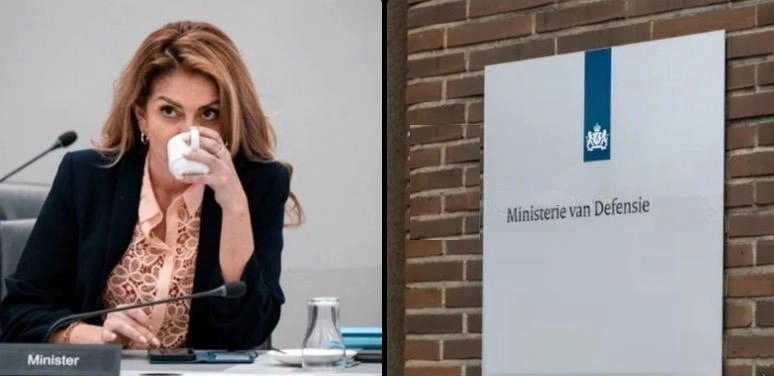
Dilan Yeşilgöz-Zegerius was appointed Minister of Defence in the first Jetten cabinet, on 23 February 2026. Her nomination marked both a continuation of her path in security policy, and a significant shift from domestic justice to international defence. She has been quoted in Dutch media as saying that international security will demand major investments and hard work.
It is safe to say that the new Minister of Defence is well versed in The Hague’s political landscape, and has extensive policy experience. As the global landscape grows ever more unpredictable and fragile, the scope of her responsibilities will be broad and their importance hard to overstate.
She will oversee the military intelligence and security service (MIVD), and direct the national and international deployment of the Dutch armed forces. Her agenda includes advancing European defence integration and reducing dependence on foreign actors. She will also have to maintain a firm course on Russia’s war against Ukraine, a key dutch foreign policy and security priority since the war began. I was relieved to see that the new minister wasted no time in underscoring the importance of joint Ukrainian-European security by visiting President Zelensky in Kyiv during her first first week in office, where they agreed to expand the Drone Line Initiative.
On the website of the Ministry of Defence, she stresses that the worrying geopolitical outlook is a reminder that the Netherlands must stand up for its own safety and security, which she describes as her ‘primary focus’ for the years ahead. It is a far cry from the once firmly Atlantic-oriented security arrangements that, in our current era, already seem antiquated. For Dilan Yeşilgöz-Zegerius, the task is as personal as it is political. The girl who once fled insecurity on a vessel that could hardly be called seaworthy now stands at the epicentre of security for an entire nation. It is the culmination of a remarkable trajectory, from outsider to architect of the Netherlands’ defence posture, and her real test is only just beginning.